2018年9月27日星期四

The market of pharmaceutical excipients is growing year by year


"/

Pharmaceutical excipients are defined as the inactive substances other than the active pharmaceutical ingredient (API). They are inactive to themselves. But they enable the drug (active pharmaceutical ingredient) to act in the right way. An ideal pharmaceutical excipient should be inert, stable, non-reactive with the drug, cost-effective and feasible. The normal excipients used in pharmaceutical preparations include preservatives, binders, fillers, chelating agents, lubricants, flavoring agents, coloring agents, etc.

According to MarketsAndMarkets prediction, the market of pharmaceutical excipients is expected to achieve USD 8.53 by 2023, at an annual growth rate of 5.9%.
Considering the ideal properties of pharmaceutical excipient and the universal trend in the market, our drugdu team (Ddu) collaborates with one of the largest and professional pharmaceutical excipients manufacturer named Anhui Sunhere Pharmaceutical Excipients Co., Ltd.
This China-based pharmaceutical excipients manufacturer named Anhui Sunhere Pharmaceutical Excipients Co., Ltd. was started in 2017. The supply of microcrystalline cellulose, magnesium stearate, hypromellose, and plant capsule allow this company to rank the top place in China. This company has obtained the ‘Innovation Fund for Technology-Based Firms’ by the Ministry of Science and Technology in China. Their GMP certified products confirm the standards of BP, USP, and CP, by which they were exported to more than thirty Chinese provinces in addition to America, Europe, South-East Asia etc.
from Drugdu  https://goo.gl/QgQoHk

2018年9月20日星期四

The Importance of A GMP Certification

"/

A supplier should hold GMP (Good Manufacturing Practices) certification in order to ensure safe and qualitative packaging. Hence our drugdu (Ddu) has collaborated with world-class Pharmaceutical Machinery Packaging and Materials Supplier named 'Jiangyin Tejie Rubber & Plastic Co., Ltd., in order to deliver sturdy, user-friendly machineries available in varied capacities with minimal power consumption.

This China based Pharmaceutical Machinery Packaging and Materials Supplier produce pharma based packaging materials for antibiotics, infusion, blood collection tubes, freeze drying and polyisoprene gasket. They are specialized in producing 3 billion ISO9001 certified butyl rubber stoppers every year. Their major products include Teflon coated injection vial rubber stopper, PP or PE Euro cap for infusion container, flip off cap, glass bottle rubber stopper, lyophilization rubber stopper etc. The products were exported to Africa, America, Europe, Middle East and South East Asia.
This company has got 20 years of R&D and production experience of pharma packaging materials. As per the international GMP sterilization standards, their production unit is well equipped with a 300,000-grade vulcanizing room, a 100,000-grade trimming room, a 10,000-grade cleansing and 100-grade packing room. They have also introduced high-speed detection equipment to ensure the quality of stoppers.
The post The Importance of A GMP Certification appeared first on Drugdu.com
from Drugdu  https://goo.gl/QgQoHk

2018年9月7日星期五

Ultrasonic Nebulizer Market Views

"/

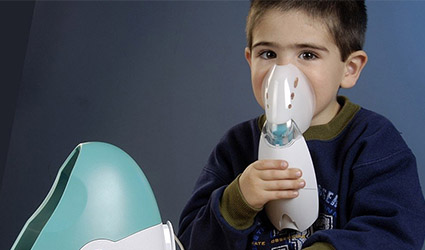
Ultrasonic nebulizers deliver liquid type medicines to patients with high frequency. On applying high frequency, the liquid drug will turn into a mist which would be inhaled by the patient via a mouthpiece or mask. Ultrasonic nebulizers are used to treat respiratory disorders like asthma and chronic obstructive pulmonary disease (COPD). They are also used for administering anesthesia to the patient. It can effectively save a physician’s time and eliminates the use of unnecessary instruments for breathing.
On the basis of size, ultrasonic nebulizer wholesalers divide their products into small volume and large volume nebulizers. Both rechargeable and non-rechargeable types are also available and can be used in clinics, hospitals and ambulatory services.
Factors like the rapid rise in pollution, respiratory disorders, aging population and user-friendly enhancements in terms of performance, drive the market of home health equipment like ultrasonic nebulizers. According to Goldstein research, the ultrasonic nebulizer suppliers market on a global level will reach USD 0.45 billion by 2024, with an annual growth rate of 6.24%. Emerging regions such as the Asian Pacific region, Africa and the Middle East are witnessing and increase in the availability of more ultrasonic nebulizers factories.
Knowing the trends and needs, our Drugdu.com (Ddu) team has collaborated with China-based top ultrasonic nebulizer manufacturers like Biobase Biodustry and Simzo Electronic Technology Ltd. for the supply of battery enabled, compact and portable ultrasonic nebulizers with an automatic shutdown feature.
The post Ultrasonic Nebulizer Market Views appeared first on Drugdu.com
from Drugdu  https://goo.gl/QgQoHk

2018年8月23日星期四

Important Registration Regulations for Exporting Health Care Products to Vietnam

"/

With the continuous improvement of living standards in recent years, the Vietnamese people’s demands for healthcare products have increased significantly. Compared with others, Vietnamese acceptance of healthcare products is later than most other countries. It was only in the 1990s that healthcare products, mainly imported from the United States, gradually entered the Vietnamese market. Later healthcare products from China, South Korea, Belgium and a number of other countries also started entering the Vietnamese market. Due to the small scale of domestic production and relatively limited varieties, the sales of healthcare products in Vietnam are still mainly dependent on imports.

According to statistics, there are approximately 1,800 companies that produce and sell health products in Vietnam with a total of 10,000 varieties. What kind of issues do foreign companies need to pay attention to when trying to enter the Vietnamese market? Today, Ddu will give you a brief introduction on how to cross the first threshold from the perspective of registration in regards to exporting products to Vietnam.

In Vietnam, functional foods (TPCN, Thựcphẩmchứcnăng) are used to support (restore, maintain or enhance) the function of human organs, with (or without) nutritional effects, these foods (or products) can make our bodies comfortable, enhance the capacity of resistance and reduce the risk of contracting diseases. According to their purpose, the content of trace elements and the method of ingestion, functional foods are also divided into trace element supplements, food supplements, health products and nutritional products.

If you want to export functional foods to Vietnam, the first step is to register with the Food Safety Department (Cục An toàn thực phẩm) under the jurisdiction of the Ministry of Health of Vietnam to obtain a “passport” for selling in Vietnam. The valid duration for a registration certificate is 3 years.
According to the Vietnamese Decree 38/2012/ND-CP, registration requires the submission of the following documents:
1. Detailed product information (requires the signature and official seal of the person in charge of the manufacturer);
2. A free sales certificate issued by the competent authority of the country of origin or other equivalent documents to prove that the product complies with local regulations (subject to embassy accreditation);
3. Inspection report issued by the national competent authority, an independent Vietnamese laboratory (original or notarized copy) or a local laboratory of the original country (original or copy certified by the embassy) approved by the competent national authority within the last 12 months, the test report should cover the main quality and safety indicators;
4. Internal self-inspection plans and reports from the enterprise;
5. Labels language used in the country of origin and labels in Vietnamese;
6. Product samples;
7. A business license containing the scope of food business;
8. Certificates to prove that the production facility meets the food safety requirements;
9. Certificate of HACCP or ISO 22000 or equivalent (notarized copy).

Here are 2 recommended practical websites regarding the exporting of healthcare products to Vietnam.
1. Ministry of Health of Vietnam: http://www.moh.gov.vn/
The official website of the Ministry of Health of Vietnam where you can check the latest official policies.
2. Vietnam Functional Food Association: http://www.vads.org.vn/
The website has a lot of market conditions related to Vietnamese health products.
from Drugdu  https://goo.gl/QgQoHk

2018年8月21日星期二

Drugdu Medical Dressing Market Analysis Report

What’s the import and export situation of medical dressing in China?
And what are the prospects of this industry?
Today, pharmaceutical and medical devices online platform, Ddu, brings you the breakdown with ourMedical Dressing Market Analysis Report.
As one of the most critical medical products, medical dressing plays a significant role in the import and export trade of China.
Common cotton (including absorbent cotton, gauze and bandage etc.) currently holds the dominant position in the Chinese medical dressing market. These products, made of natural materials, make up over 50% of the market.
Product homogenization, low value-added and insufficient technologies are the basic industry problems. Export companies mainly rely on OEM exports in short of their own brands and sales channels in the international market.
In 2013, the number of countries China exported medical dressing to, totaled at 195, among which North America, Europe and Asia were the main export markets and their export sales were an estimated 8.03 trillion USD, 7.82 trillion USD and 4.62 trillion USD respectively.
In regards to the countries and regions, the top ten export markets were the United States, Germany, Japan, Britain, France, the Netherlands, Italy, Belgium, Venezuela and Australia whose combined export volume totaled 1.639 billion USD, accounting for 68.86% of all exports.
Due to the current saturated trends and fierce competition in European and American markets, medical dressing export companies are now focusing on the developing nations. The year 2013 witnessed a dramatic increase in the markets of emerging nations like Latin America.
Regarding these companies, 51 had exports that totaled at over 10 million USD. Among this 51, 19 companies had exports that totaled an estimated 20 million USD.

The Prospects of medical dressings
According to experts at Ddu, a cross-border medical trade platform, with the increasing demand for multi-functional, new materials and high value-added medical dressing, they predict that the domestic medical dressing production structure will gradually develop towards high-end products.
Innovation of medical dressing products is mainly reflected in the innovation of the product material manufacturing process. However, medical dressing products with technology content accounts for less than 10% of the Chinese export market. Also, consider the fact that the development of new products and investment in research is far lower in China than in developed counties.
Thus, adjusting business strategies, cultivating original brands and increased investment in research and development of high-end new medical dressings products will be some of the common challenges for medical dressing export companies in China.
Revitalization, development, standardization, and progress of the Chinese medical dressing industry will be our shared expectation and mission.

from Drugdu  https://goo.gl/QgQoHk

2018年8月19日星期日

3 Ways in which Healthcare & Pharma are Changing Marketing Strats

In 2010, around 130 brands like Zoloft and Lipitor constituted for 34% of the universal pharma sector sales. Following the same year, many other drug companies hewed from the permit. The sector has changed in countless ways. Below are a few ways pharma and healthcare companies have moved their strategies.
The end of TV ads
Since 2012, there has been a 62% increase on TV ads spent in the pharma sector. For healthcare promoters and in other similar categories, linear TV has always been the most productive mass marketing channel. However, TV ads aren’t personalized and this trend is unlikely to last. In 2017, pharma promoters will have spent over $2.2 billion on digital advertising, up from $1.4 billion in 2014. Digital is a better locus than TV for marketing drugs to smaller segments as it offers much more contact-point data to advertisers and more personalization.
Push or Pull?
Previously pharma companies focused on a large group of people with the same general health issue, like heart diseases or high blood pressure. But, now that promoters have shifted their focus to developing and marketing new drugs for smaller segments, brands have started to grip strategies which are targeted and individually tailored. According to Google research, McKinsey & Co., and the Wharton School of the University of Pennsylvania, 59% of consumers expect the same one-to-one experience from health providers that they get from businesses such as Amazon.
Niches Market is King
More and more brand campaigns are focused on condition-specific, which is changing the types of media inventory being utilized. Medical brands are focusing less on mass-market websites as these sites are basically the online equivalent to TV. Marketers are becoming more interested in looking out for inventory and publishers focused on specific audiences.
Finding your specific audience, the ‘longtail’, is becoming much more relevant and a much better road to success.
from Drugdu  https://goo.gl/QgQoHk
By Ddu

China’s Import and Export Market Report of Rheumatoid Arthritis Drugs

Rheumatoid arthritis (RA) is an autoimmune disease with complex pathogenesis and an extremely high morbidity rate, which seriously affects the quality of the life of patients and brings economic burden to society. Thus, effective treatments of RA has become a global concern of the pharmaceutical industry.
The purpose of RA treatment is to relieve pain, reduce inflammation, protect joint structure, maintain function and control the human body system. At present, the therapeutic drugs for RA mainly include non-steroidal and anti-inflammatory drugs, disease-modifying anti-rheumatic drugs, hormones, biological agents and others.
  1. General situation of global market of RA drugs
According to a report of Evaluate Pharma, sales of global RA drugs reached 53.3 billion USD in 2016, an increase of nearly 4.5 billion USD compared with 48.8 billion USD in 2015.
It is estimated that by 2022, global sales of RA drugs will reach 54.5 billion USD.
Source: Evaluate Pharma
At present, the total number of patients in the global RA drug market (USA, Japan, the European Union, the United Kingdom, Italy, France, Spain, China, and India) has exceeded 7 million, and it is expected to exceed 8.5 million in 2023. Additionally, as the world's largest market for RA treatment, the United States is expected to maintain its leading position by 2023.
Humira, the best-selling drug from Abbvie in the global RA drug market, accounts for 30% of the top 10 RA drugs.
According to statistics of Evaluate Pharma, the top 10 global companies in sales of RA drugs in 2016 were as follows:

Source: Evaluate Pharma
According to the statistics of PhRMA (Pharmaceutical Research and Manufacturers of America), there are currently 74 RA drugs in the process of clinical research around the world, of which 19 are in phase III and 4 of them have been submitted to the FDA for new drug application, which indicates that the global RA drug market is increasingly fierce.

Source: PhRMA
  1. China’s market of RA drugs
With the advent of an aging society and influences such as obesity, diabetes epidemic diseases and environmental factors, the number of RA patients in China has increased year by year, which has lead to the development of the RA drug market. From 2013 to 2016, the scale of China's RA drug market has been steadily expanding, and in 2016, it exceeded over 60 billion RMB, showing greater market potential in the future.

China's research on RA started relatively late with rapid progress and is further promoted by the refinement and standardization of medical application in the Chinese market. 
Out of the top 10 brands of RA drugs in China in 2016, there are 7 domestic companies, showing strong competitiveness.

Source:PDB
Moreover, biologic agents have been successfully used to treat RA, which means that now biomacromolecular drugs are available for RA treatment.
With the development of the Recombinant Human TNF Receptor-IgG Fusion Protein for Injection, biological agents have become widely applied in the RA drug market, further increasing its market share.
According to the statistics of PDB in 2016, products of biologic agents took up the highest market share, reaching 23.1%.
Several types of biological agents have been approved in the market for RA treatment and have proven their efficacy. The use of biological agents in RA is as follows:

In addition, there are many domestic products that are in clinical trials.


  1. China’s import market of RA drugs
In terms of the domestic market, RA drugs with technical content are imported to meet the domestic demand.
According to the statistics of China customs, the main imported RA drugs in 2016 were Humria, Enbrel and Flurbiprofen.

Since Humria was approved to be imported in 2010, its total imports reached 0.19 billion RMB in 2016. Enbrel was on the market earlier abroad and was given the approval of import almost simultaneously with Humria. However, in 2016, the total imports of Humria reached 0.2 billion RMB, which was slightly better than that of Humria.
Flurbiprofen is an excellent variety of non-steroidal anti-inflammatory drugs with a strong effect by using a small therapeutic dose. In 2016, the demand for flurbiprofen in China reached 640 million Yuan, a year-on-year increase of 28.88% compared with that in 2015, of which 83.59% was occupied by Flurbiprofen Axetil Injection from Beijing Tied Pharma and Flurbiprofen Axetil Injection from Mikasa Seiyaku took up the rest 16.41% with imports of 105 million Yuan.
  1. China’s export market of RA drugs
Biologic agents have been successfully used to treat RA, which means that now biomacromolecular drugs are available for RA treatment.
TNF-α antagonists are currently the most widely used biological agents. And Recombinant Human TNF Receptor-IgG Fusion Protein, developed in China, has taken a certain share of the market such as Recombinant Human TNF Receptor-IgG Fusion Protein for Injection from Zhejiang Hisun Pharmaceutical Co., Ltd.
Zhejiang Hisun Pharmaceutical Co., Ltd.
One of the top 100 industrial enterprises with comprehensive strength in China's chemical and pharmaceutical industry.
Representative drugs: Recombinant Human TNF Receptor-IgG Fusion Protein for Injection
Indications: Rheumatoid spondylitis, ankylosing spondylitis and psoriasi
Main exporting countries: over 70 countries and regions around the world like Japan, UAS and UN etc.
In addition to biological agents, China's Flurbiprofen Axetil Injection and Iguratimod Tablets also sell well. Representative companies are Beijing Tide Pharma and Simcere.
1)Beijign Tide Pharmaceutical Co., Ltd
China's first high-tech pharmaceutical company that develops, produces, and sells a series of targeted drugs.
Representative drug: Flurbiprofen Axetil Injection
Indication: postoperative and cancer analgesia
Main exporting regions: over 70 countries and regions around the world like Europe, America and Asia.
2) Simcere Pharmaceutical Group
One of China's top 100 pharmaceutical companies.
Representative drug: Iguratimod Tablets
Indication: active rheumatoid arthritis
Main exporting regions: Europe

  1. Biological agents are popular
Western medicines are no longer permanent solutions to treat chronic disease like RA due to side effects to the liver and kidneys. 
Biologics, as the currently advanced technology in RA treatment, has a rapid onset of action, a strong curative effect, and less adverse reactions and significantly improve the condition as well as inhibiting bone destruction, which is preferred by the international market.
With the continuous development of science, efforts of R&D personnel, and the constant disclosure of the causes of RA, RA biosimilar drugs will flood into the market in large quantities. Before the market for RA treatment becomes saturated, discovering drugs with novel mechanisms as soon as possible will become key for Chinese pharmaceutical enterprises to enter the international market.
from Drugdu  https://goo.gl/QgQoHk

Operating Room Equipment Market Holds Immense Potential

Operation rooms need to be equipped with advanced instruments if we see the number range of surgical procedures handled on a daily basis across the world. This ensures better handling by surgeons and other staff, more flexibility, greater operational efficiency, and better results.

Creation of hybrid operating rooms is the new swing in the operating room equipment market, wherein surgical and non-surgical functions are being carried out.  
The operating room equipment market is categorized into Europe, North America, Asia Pacific, etc. Operating room equipment has a thriving market in North America and Europe. These countries also offer great potential for revenue generation. These regions also assume importance in view of the fact that there is a strong demand for constant upgrading of operating room equipment.
In 2017, the movable imaging systems segment generated revenue of US$8,384.9 million and held a solid position in the operating room equipment segment.
Biomedical systems, such as electrical surgical units, patient warmers, patient monitoring systems, suction systems, pumps surgical tourniquets, and others, is the second most lucrative product segment in the operating room devices market.
In 2017, this segment generated revenue of US$7,785.1 million.
from Drugdu  https://goo.gl/QgQoHk

Rise in China’s Global Pharma Market up to $175 billion by 2022 – Market Prediction

Though the US stands first in the race in terms of sales and growth, it is highly believed that China would reach the peak in the pharma market by 2022. At present, since there has been a decrease in public health funding, there has been a slight fall in pharmerging countries like Brazil, Russia, India and China (BRIC). But it is believed that the condition of these pharmerging countries will improve in the next five years [1].
Spending on medicines in pharmerging countries in 2022 (in billion US dollars) [2]
Market Scope predicted that China’s ophthalmic market would reach $4.0 billion from $2.7 billion in 2022 [3].  Though the economy of China was initially quite slow, the country has increased access to medical care with more government spending on health and a rising supplemental health insurance markets. For the last two years, China has implemented many reforms to improve the quality of healthcare by regulating medical devices and pharmaceuticals, speeding up the approval of new products and developing diagnostic equipment and manufacturing of medical technology. Since there was a huge gap from the government side, the access of entrepreneurs and private businesses got increased to fill the gap. The right combination of need, rising income, and growing opportunities for private initiatives would help China to reach the peak in the world’s largest ophthalmic market. (These estimates do not include the market for traditional Chinese medicines). It was also noted that China was one of the first of its kind in implementing mobile diagnostic technologies and telemedicine. Several efforts were going on to improve the diagnostic capabilities in rural areas and linking them to the specialists in urban hospitals via telemedicine.
For the time being, the Chinese pharmaceuticals market was highly fragmented where the top 50 domestic companies such as Guangzhou Pharmaceutical Holdings, Shanghai Pharmaceuticals Holding, Yunnan Baiyao, Kangmei Pharmaceutical, Harbin Pharmaceuticals, Xiuzheng Pharmaceutical Group, Sinopharm, Bayer, Pfizer, AstraZeneca, Roche, Sanofi, Novo Nordisk, Merck & Co., Johnson & Johnson, Novartis, GlaxoSmithKline, accounts for only one-fifth of the market. But still, there were significant opportunities for multi-national companies to expand their reach and presence in China.

The lead analyst of the Visiongain report saidThe Chinese pharmaceutical market is largely driven by sales of generic, domestically produced drugs. It is no surprise that the only two of the top ten pharmaceutical companies by value are multinational firms relying on reduced sales volume on high margin. In total, the top ten companies in the Chinese pharmaceutical market generated 18.0% of the total market revenues. This figure is far below the market share for the top ten firms in the developed US and European markets. Recent consolidation within the industry has been driven by stricter good manufacturing practice regulations pushing smaller firms out of business. Visiongain anticipates further consolidation within domestic manufacturers over the next ten years, along with a greater prominence for multinational with innovative treatments.” [4]

It is a well-known fact that China will be an ever-increasing important component for drug development. It was reported in CNBC that China’s 2017 pharmaceutical market had reached $122.6 billion, as per the data from IQVIA (formerly QuintilesIMS). China’s pharmaceutical market was expected to grow to between $145 billion and $175 billion by 2022. Last year Lan Huang, the chief executive officer of BeyondSpring, stated that China has got innumerable opportunities in health and biotech sector. The health companies will surely make use of its clinical resources to reduce costs and time in drug development. A key area of development apart from ophthalmology would be oncology development. Since China is thickly populated, around 700,000 new cases of cancer are diagnosed in China every year. The high number of cancer patients is directly correlated with a higher percentage of patients who enter clinical trials. [5]

For instance, in respect to the development of CAR-T therapies, China is seeing exponential growth. There are currently 116 clinical CAR-T trials registered in China. But only 96 trials were registered in the United States. In 2016 Juno Therapeutics (now part of Gilead Sciences) combined forces with Shanghai-based WuXi AppTec to form a new Chinese company called JW Biotechnology Co., Ltd. Here, cancer treatments involve Juno’s chimeric antigen receptor (CAR) and T cell receptor (TCR) technologies in combination with WuXi AppTec's R&D and manufacturing platform. [5]

Over the past few years, one more change has been noticed in China. The drug restrictions were relaxed so that the western companies were able to have a tie up for further drug development. Previously, drug companies had to wait for a long time to gain approval in other countries before starting clinical trials in China. But now the growing demand for newer drugs has opened the doors to new opportunities. Chinese pharma companies are making their notable presence in the West. CNBC reported that in 2016, Chinese pharma companies had gained approval from the U.S. Food and Drug Administration for 38 generic drugs, with a marked rise from 22 in 2015. [5]
In the first quarter of 2017, around $125.5 million was invested by Chinese venture capitalists. But in 2018, more than $1.4 billion was spent by Chinese investors into U.S. biotech firms, which led to approximately 40 percent hike of overall funds. That’s how during recent times, China has become the second-largest drug market in the world. Until 2012, Japan remained in the second position after the United States. The overall value of Japan’s healthcare market was $84.8 billion in 2017. Now since China has taken the second position, one could expect competitive growth in Japan also. There would also be an increase in its biopharmaceutical workforce over the next few years due to joint programs between academic institutions and the pharma industry. For example, the association between Paraxel International and Meiji Pharmaceutical University, a private college in Japan, in order to train the people in varied industrial roles. [5]

By looking at the tremendous opportunities in China, it is crystal clear that China is in the race and should achieve the target of $175 billion by 2022. There would also be a fair chance of topping the list of the largest drug market in the world.


References

from Drugdu  https://goo.gl/QgQoHk